INSTITUTIONAL PHYSICS
A Proposed Fourth Knowledge System for High-Pressure Environments
For centuries, societies have relied on three self-stabilizing knowledge systems to support truth, safety, and coherence as conditions change:
- Constitutional systems, which organize civic authority
- Scientific systems, which stabilize truth through reproducibility
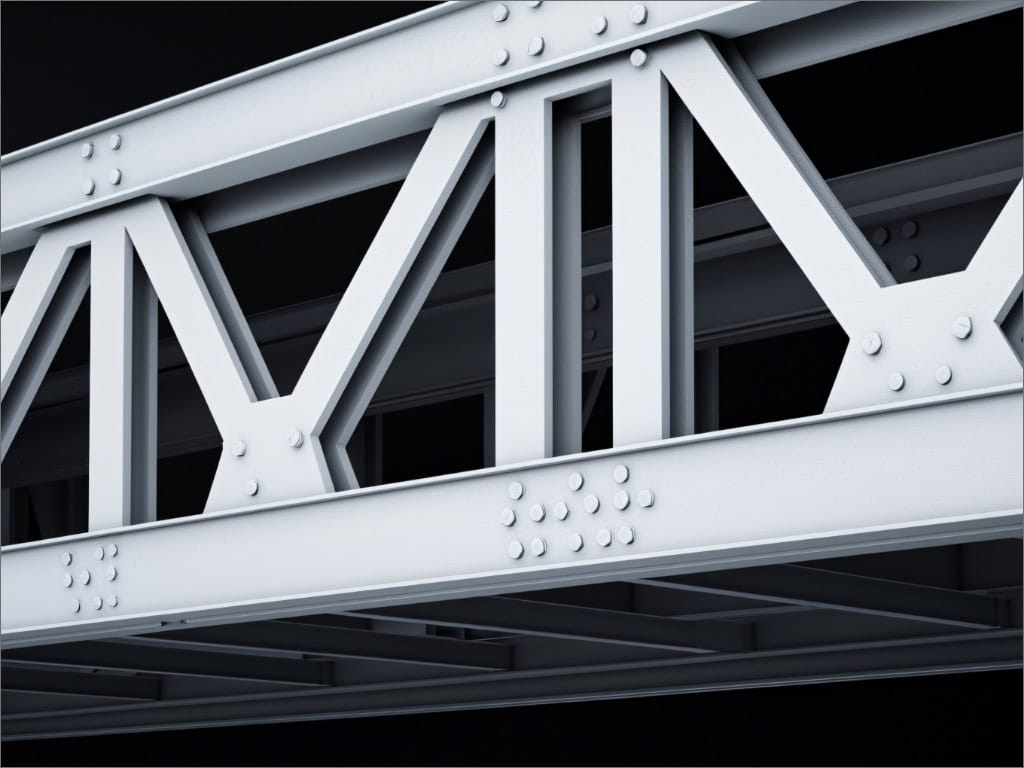
- Engineering systems, which protect the built environment
Each includes feedback mechanisms that allow correction without requiring exceptional judgment at every step.
All three exist inside institutions: universities, agencies, laboratories, health systems, research organizations, digital platforms, and governing bodies.
Most readers arrive having already seen the pattern; the corpus provides the language for it.
As demands intensify, institutions encounter forces the three systems were not designed to address directly, including:
Institutional Physics is the study of how institutions behave when these forces are active.
For a deeper explanation of self-stabilizing knowledge systems and why a fourth is required, see:
Structural Stabilizers in Complex Systems → Download Here
Why Institutions May Need a Fourth Knowledge System
Public discourse often attributes institutional failure to weakness within a discipline. The replication crisis in science is a frequent example.
Scientific reliability derives from reproducibility and disciplined method. The Navigation Lineage. It is a failure of the institutional structures that coordinate verification, custody, and recurrence prevention around scientific work.
Comparable patterns appear elsewhere:
For a synthesis across the Case Verification Corpus, see CV-SYN-001, Cross-Case Structural Analysis of the Case Verification Corpus. → Download Here
The Navigation Lineage
Structural Orientation Theory, the foundational constraint science beneath Institutional Physics, took its motivating intuition from the navigation disciplines (aviation, maritime, and spacecraft guidance), which study how a system keeps reliable contact with a reference point under load. That lineage is where the idea came from, not a claim of peer membership; SOT's formal scientific kinship is set out separately on the Structural Orientation Theory page.
Current institutional conditions

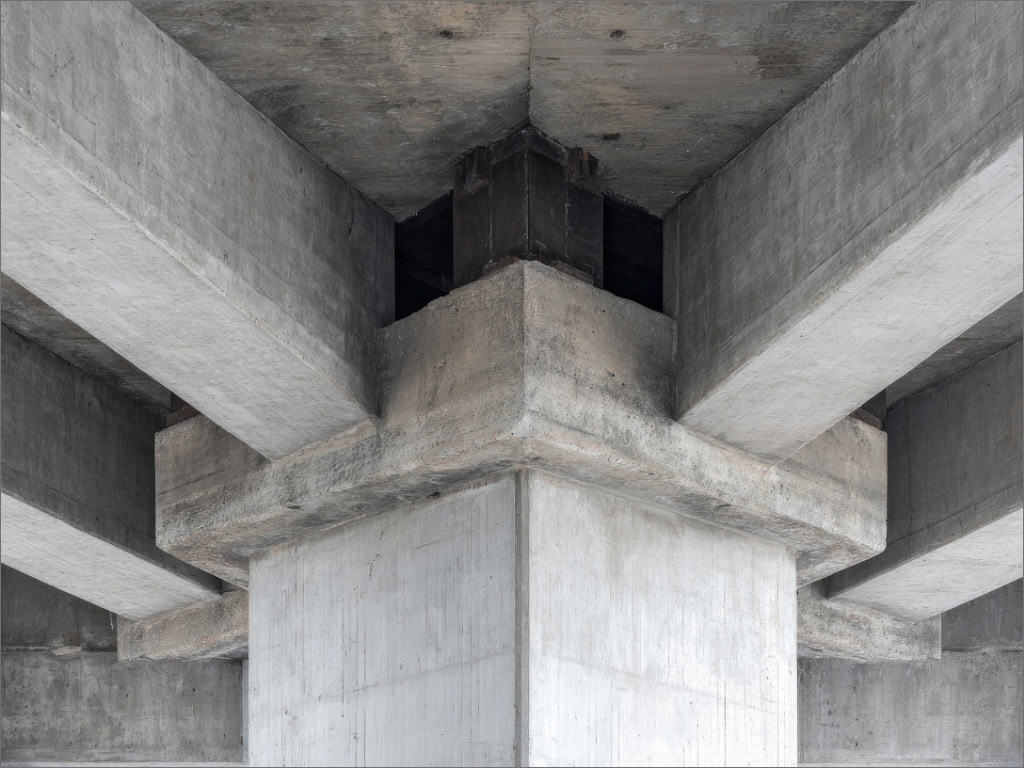
Institutions exhibit patterns familiar from engineered systems facing concentrated demand:
The Candidate Fourth System: Institutional Physics
Institutional Physics studies how institutions behave as demands intensify, and the conditions under which reality retains the ability to correct them. It identifies the structural conditions required for stable truth, continuous memory, traceable responsibility, predictable consequence, harm containment, and recurrence prevention.
This field does not replace constitutional, scientific, or engineering systems. Institutional Physics addresses the environments in which those systems function.
At that level, Institutional Physics provides a structural account of failure, stability, and repair. It does so for institutions in much the same way engineering addresses load, science traces causation, and constitutional systems define authority. This work supports the continued function of those systems when institutional conditions would otherwise undermine them.
For an introduction to Institutional Physics as a discipline, what it studies, what distinguishes it from adjacent fields, and its place in the Realis architecture, see IP-200, Institutional Physics: A Discipline Overview. → Download Here
Common Misreadings
Institutional Physics resembles several established fields closely enough that a reader meeting it for the first time will reach for the nearest one. Five distinctions place it precisely.
It is not risk management. Risk management works inside a decision architecture, weighing known hazards against tolerances. Institutional Physics studies whether the decision architecture itself can still produce a valid decision. It sits one level beneath the layer risk management works within.
It is not organizational psychology. Organizational psychology studies how people behave inside institutions. Institutional Physics studies whether the structure lets correct behavior become correction. The unit of analysis is the structure, not the people inside it.
It is not systems theory. Systems theory studies the behavior of interconnected systems across domains, often through emergence and feedback. Institutional Physics draws on systems insights where relevant, but its object is constraints and thresholds, not emergent behavior. Institutional Physics studies whether an institution retains the structural conditions for valid contact with reality under load.
It is not resilience engineering. Resilience engineering asks how a system absorbs shock and recovers function. Institutional Physics asks whether the system can still detect that something is wrong and correct it. A system can be resilient, continuing to function smoothly, while having lost the capacity to be corrected by reality.
It is not a political program. Institutional Physics makes structural claims, not normative ones. It describes the conditions under which institutions maintain or lose decision integrity, independent of which decisions an institution should make or which direction it should take. The diagnosis applies the same way regardless of the institution's politics.
Why Institutional Physics Matters Now, Including for AI
Artificial intelligence significantly increases epistemic load through:
AI governance challenges fall within the scope of Institutional Physics. Institutional Physics provides structural tools relevant to these challenges, including:
These pressures act primarily at the institutional level. They are not problems individual users or developers can resolve through better practice, because the failures occur in the structures that coordinate verification, custody, and consequence across organizations.
Restorative Systems Theory (RST)
Restorative Systems Theory is the applied framework through which Institutional Physics is implemented. It converts structural diagnosis into executable design, defining how institutions maintain verification, assign responsibility, contain harm, and prevent recurrence under sustained demand.
Where Institutional Physics reads the structure, RST builds within what the reading permits. Its architecture is specified in RST-100, and the Restorative Systems Theory page introduces the framework and its components in full.
For the foundational architecture of Restorative Systems Theory, see RST-100. → Download Here
Why This Field Is Emerging Now
Institutions have long relied on policy, leadership, culture, compliance, and regulation. Each plays an ongoing role.
What has been missing is a structural discipline that explains how institutional environments behave during sustained pressure and provides methods for correction at that level.
Institutional Physics does not study human performance under pressure. It studies the structural conditions that determine whether correct human performance can produce correction at all.
The design ethic upstream of all of this is described in Restorative Realism.